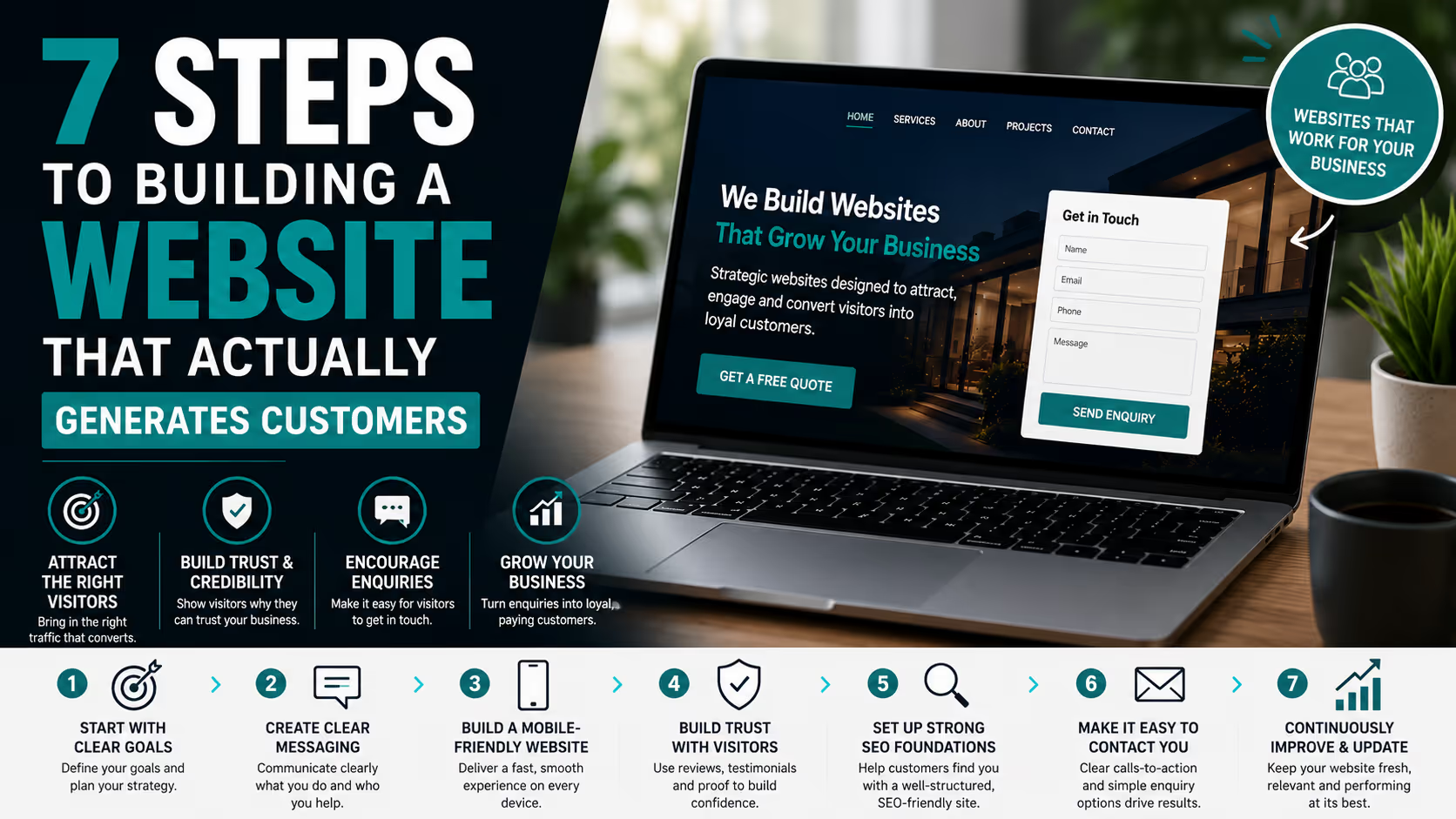
Start With Clear Goals and a Strategy
One of the biggest mistakes businesses make when building a website is jumping straight into design without first understanding what the website is actually supposed to achieve. A successful business website should have a clear purpose from the beginning — whether that’s generating enquiries, taking bookings, selling products, or building trust with potential customers.
Before choosing colours, layouts, or platforms, it’s important to identify your ideal customer, the services you want to promote, and the actions you want visitors to take when they land on your site. This strategy becomes the foundation for every decision moving forward.
The best-performing websites are designed intentionally. Every section, button, page, and call-to-action should support a specific business goal.
Create Clear Messaging That Explains What You Do
Most website visitors decide within seconds whether they want to stay on your website or leave. If your messaging is unclear, confusing, or too generic, people will often leave before they even scroll.
Your website should immediately communicate:
- What your business does
- Who you help
- Where you operate
- Why customers should choose you
This is especially important for local Australian businesses competing in crowded industries. Strong messaging helps improve both conversions and SEO by making it easier for users — and Google — to understand your services.
Simple, direct messaging consistently performs better than overly clever or vague wording.
Build a Mobile-Friendly Website Experience
More than half of website traffic now comes from mobile devices. If your website is difficult to use on a phone, you could be losing a huge number of potential customers without even realising it.
A mobile-friendly website should:
- Load quickly
- Be easy to navigate
- Have readable text
- Use properly spaced buttons
- Keep important information visible immediately
Google also prioritises mobile-friendly websites in search results, meaning mobile optimisation plays a major role in both SEO and customer experience.
Many DIY website builders struggle with proper responsiveness over time, particularly once additional content and features are added. Building with mobile performance in mind from the start creates a much better long-term result.
Focus on Building Trust With Visitors
People are far more likely to contact a business they trust. Your website should help reassure potential customers that your business is legitimate, professional, and reliable.
Trust-building elements can include:
- Google reviews
- Testimonials
- Project galleries
- FAQs
- Team photos
- Clear service descriptions
- Professional branding
- Fast loading speeds
For service businesses especially, trust is often one of the biggest factors influencing whether someone submits an enquiry or contacts a competitor instead.
A professionally designed website creates confidence from the moment someone lands on the page.
Set Up Strong SEO Foundations
Even the best-looking website won’t generate customers if nobody can find it. Search Engine Optimisation (SEO) helps improve your visibility on Google so potential customers can discover your business when searching for services online.
Good SEO starts with proper website structure, fast loading speeds, optimised headings, quality content, mobile responsiveness, and clear page organisation.
For small businesses, targeting local SEO phrases can make a huge difference, such as:
- website designer Emerald
- small business website Australia
- rural business websites
- web design Central Queensland
SEO is not about “tricking Google.” It’s about creating a fast, useful, trustworthy website that genuinely helps users find the information they need.
Make It Easy for Visitors to Contact You
A surprising number of business websites hide their contact information or make the enquiry process more difficult than it needs to be.
Your website should guide visitors towards taking action naturally. This includes:
- Clear enquiry buttons
- Contact forms
- Clickable phone numbers
- Booking systems
- Simple navigation
- Calls-to-action throughout the page
Visitors should never have to “hunt” for ways to contact your business.
The easier your website is to use, the more likely visitors are to convert into real customers.
Continuously Improve and Update Your Website
A business website should never be treated as a one-time project. The most successful websites evolve over time as businesses grow, customer expectations change, and new SEO opportunities emerge.
Regular updates can include:
- Improving content
- Adding new services
- Updating galleries
- Publishing helpful guides or blogs
- Improving page speed
- Refining calls-to-action
- Updating SEO
Websites that are actively maintained generally perform far better than websites that remain untouched for years.
Your website should grow alongside your business.
Final Thoughts
Building a website that actually generates customers involves far more than simply choosing a template and putting your business online. A successful website combines strategy, clear messaging, mobile responsiveness, trust-building, SEO, and conversion-focused design to help turn visitors into real enquiries.
Whether you’re launching a new business or improving an existing website, investing in the right structure and user experience can have a major impact on your long-term growth and online visibility.


%20-%20Square.avif)